
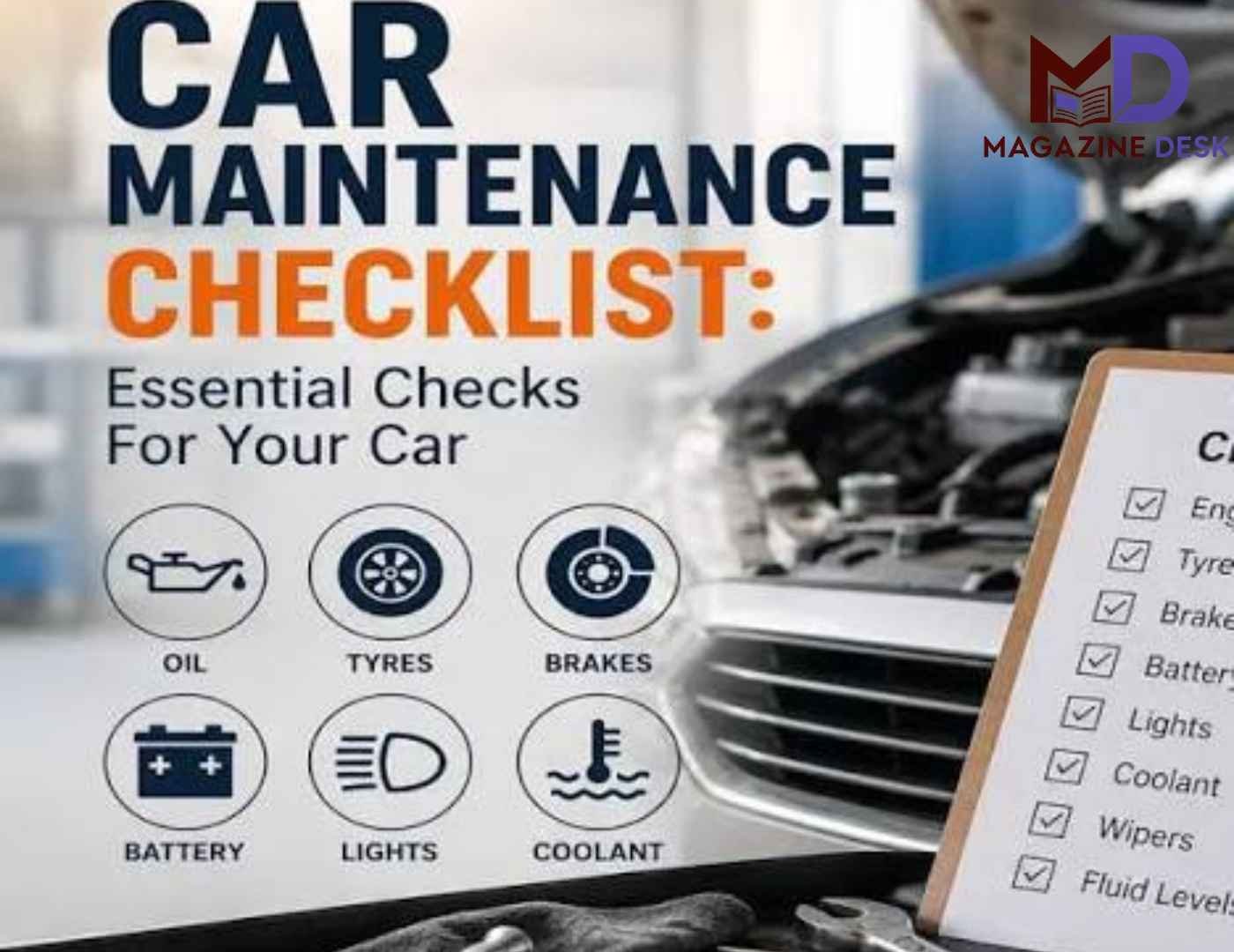
Regular car maintenance is one of the most effective ways to protect your vehicle, improve driving safety, and reduce the likelihood of unexpected repair costs. A well-maintained car can provide dependable transportation for years, while neglected maintenance may lead to preventable mechanical problems. The basic car maintenance checklist gives drivers a practical way to monitor important vehicle components without needing advanced mechanical knowledge. From checking tire pressure to inspecting engine oil and testing lights, small routine tasks can make a meaningful difference. Whether you drive a new vehicle, a used car, or an older family automobile, understanding essential maintenance procedures helps you make informed decisions and recognize when professional servicing is necessary.
Why Regular Car Maintenance Matters
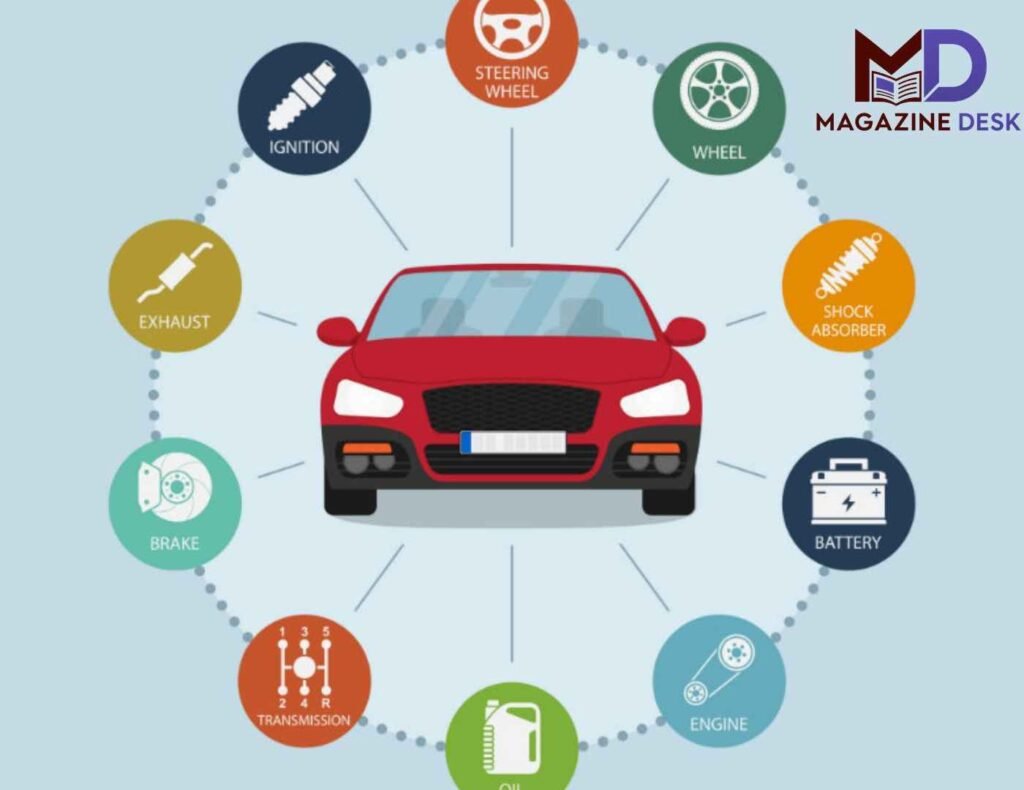
Every vehicle experiences wear as it travels through different road conditions, temperatures, and traffic situations. Engine components operate under heat and pressure, tires gradually lose tread, and fluids become contaminated over time. Regular maintenance helps identify these changes before they develop into more serious problems. For example, checking tire pressure can reveal an underinflated tire, while monitoring engine oil may uncover a developing leak. Preventive care also helps maintain fuel efficiency, braking performance, and passenger comfort. Although routine checks require some time and attention, they are generally easier to manage than an unexpected breakdown. Following a consistent maintenance routine supports vehicle reliability and helps drivers understand the condition of their cars.
Read Your Owner’s Manual First
The owner’s manual is the most important reference for maintaining a specific vehicle. It explains the manufacturer’s recommended service schedule, approved engine oil grade, tire pressure specifications, fluid requirements, and warning-light meanings. Different vehicles can have significantly different maintenance needs, even when they appear similar. Some cars use conventional engine oil, while others require specific synthetic formulations. Hybrid and electric vehicles also have maintenance requirements that differ from traditional gasoline-powered models. Before following a general basic car maintenance checklist, review the manual to understand which tasks apply to your vehicle. Keep the document accessible in the glove compartment or through the manufacturer’s official digital manual system, if available.
Daily Car Maintenance Checks Before Driving
A quick inspection before driving can help identify visible problems that might otherwise go unnoticed. Walk around the vehicle and look for flat tires, unusual fluid spots, damaged lights, or objects near the wheels. Check that the windshield and windows provide a clear view, and make sure the mirrors are properly positioned. When starting the vehicle, pay attention to warning lights and unusual sounds. Dashboard indicators should behave according to the vehicle’s normal startup procedure. If a critical warning remains illuminated, consult the owner’s manual and seek appropriate assistance. These simple checks take little time and help drivers recognize changes in vehicle condition before beginning a journey.
Weekly Car Maintenance Checklist
Weekly maintenance provides an opportunity to inspect important vehicle components more carefully. Drivers can check tire appearance, examine engine oil levels when appropriate, refill windshield washer fluid, and look for visible leaks. It is also useful to inspect headlights, brake lights, and turn signals. During a regular fuel stop, these tasks can become part of a familiar routine. Drivers should avoid opening hot cooling systems or touching moving engine components. A weekly inspection does not replace professional servicing, but it can reveal changes that deserve attention. If the same fluid repeatedly becomes low, a tire loses pressure frequently, or a warning light appears, arrange a professional inspection rather than simply ignoring the symptom.
Monthly Basic Car Maintenance Checklist
A monthly vehicle inspection offers a more complete review of the car’s condition. Check tire pressure using a reliable gauge, examine tread wear, and inspect the spare tire if the vehicle has one. Review the levels of accessible fluids according to the owner’s manual, including engine oil, coolant, brake fluid, and windshield washer fluid. Test exterior lights, inspect wiper blades, and examine the battery for visible corrosion or damage. Look for cracks in the windshield and confirm that seat belts operate correctly. Monthly checks are particularly helpful for vehicles that are driven infrequently because tires, batteries, and fluids can still deteriorate when a car is parked for extended periods.
Engine Oil and Oil Filter Maintenance
Engine oil lubricates moving components, helps manage heat, and reduces friction inside the engine. Over time, oil gradually loses some of its protective properties and may collect contaminants. Checking the oil level is therefore an essential part of routine vehicle care. For vehicles with a dipstick, park on level ground and follow the manufacturer’s instructions for obtaining an accurate reading. If the oil level is low, use only the specified oil grade and avoid overfilling. Many newer vehicles use electronic oil-level monitoring systems instead. Oil and filter replacement intervals vary according to the vehicle, oil type, and driving conditions. Follow the manufacturer’s schedule rather than relying on a universal mileage recommendation.
Tire Pressure and Tire Tread Inspection
Tires are among the most important safety components of any vehicle because they provide traction, steering control, and braking contact with the road. Underinflated or overinflated tires may affect handling, tire wear, and fuel consumption. Check tire pressure when the tires are cold and use the pressure specified on the vehicle’s information label or owner’s manual. Do not automatically use the maximum pressure printed on the tire sidewall as the normal operating target. Inspect tread for uneven wear, cuts, bulges, or embedded objects. Tire pressure should be checked at least monthly and before long journeys. A damaged tire or persistent pressure loss should be assessed by a qualified tire professional.
Brake System Maintenance and Safety
A properly functioning braking system is essential for safe driving. Routine brake maintenance includes monitoring brake performance, checking accessible brake fluid levels, and arranging inspections according to the manufacturer’s schedule. Pay attention to unusual squealing, grinding, vibration, a soft brake pedal, or a vehicle that pulls to one side while braking. These symptoms may indicate a problem requiring professional attention. Brake fluid should be used only according to the vehicle’s specifications, and its replacement interval should follow the manufacturer’s guidance. Drivers should not ignore changes in braking performance or attempt complex brake repairs without appropriate training. When brakes behave unusually, arrange a qualified inspection before continuing normal driving.
Engine Coolant and Cooling System Checks
The cooling system helps maintain the engine’s operating temperature. Engine coolant transfers heat away from important components and protects the system against corrosion and freezing when the correct formulation is used. Check the coolant reservoir only when the engine is completely cool, and follow the instructions in the owner’s manual. Never remove a radiator cap or pressurized coolant-system cap while the engine is hot because escaping fluid or steam can cause serious burns. If coolant repeatedly drops below the recommended level, a leak may be present. Overheating, visible coolant leaks, or a temperature warning should be addressed promptly. Use only the coolant type specified for the vehicle.
Transmission Fluid and Other Essential Fluids
Vehicles use several fluids to support safe and reliable operation. Depending on the design, these may include transmission fluid, brake fluid, power steering fluid, engine oil, coolant, and windshield washer fluid. Some vehicles have accessible reservoirs or dipsticks, while others require specialized procedures or professional equipment. Check fluid levels only as directed by the owner’s manual and avoid mixing incompatible products. Transmission fluid, in particular, may require a specific temperature or operating condition for an accurate check. If a fluid is consistently low, unusually discolored, or leaking, arrange an inspection. Regular fluid monitoring helps identify developing problems, but fluid replacement should follow the vehicle manufacturer’s recommended maintenance schedule.
Battery Care and Electrical System Inspection
The vehicle battery supplies electrical power for starting and supports other electrical systems. Battery performance can decline with age, extreme temperatures, infrequent driving, or charging-system problems. During a visual inspection, look for a damaged case, loose connections, or visible corrosion around the terminals. Avoid touching battery terminals or attempting electrical work without appropriate knowledge and safety precautions. If the vehicle starts slowly, electrical accessories behave inconsistently, or the battery repeatedly loses charge, arrange a professional battery and charging-system test. Many modern vehicles also contain sensitive electronic systems that require specific procedures during battery replacement. A routine inspection can help identify potential issues before the vehicle becomes difficult to start.
Windshield Wipers, Washer Fluid, and Visibility
Clear visibility is essential for safe driving in rain, dust, and changing weather conditions. Windshield wiper blades gradually wear out, and damaged rubber may leave streaks or fail to clear water effectively. Inspect the blades regularly and replace them when they no longer clean the windshield properly. Keep the washer-fluid reservoir filled with an appropriate product recommended for the vehicle and climate. Avoid operating wipers on a dry, heavily dusty windshield because this may scratch the glass or damage the blades. Also inspect the windshield for cracks or chips, especially in the driver’s viewing area. Maintaining clean windows, mirrors, and lights helps drivers see the road and remain visible to others.
Headlights, Brake Lights, and Turn Signals
Vehicle lights help drivers communicate with other road users and improve visibility during nighttime or poor-weather driving. Inspect headlights, tail lights, brake lights, turn signals, hazard lights, and reverse lights regularly. A simple walk-around inspection can reveal a failed bulb, cracked lens, or damaged light housing. Ask another person to help check brake lights, or use a suitable reflection to verify their operation. Headlights should also be clean and properly aligned so they illuminate the road without unnecessarily dazzling other drivers. If a warning appears on the dashboard or a light continues to malfunction after a bulb replacement, consult the owner’s manual or a qualified technician.
Air Filters and Cabin Filter Maintenance
Most conventional vehicles use an engine air filter to prevent dust and debris from entering the engine. A clean filter supports proper airflow, while a heavily contaminated filter may affect performance under certain conditions. The cabin air filter serves a different purpose by filtering air entering the passenger compartment through the heating and ventilation system. A dirty cabin filter may reduce airflow or contribute to unpleasant odors. Inspection and replacement intervals depend on the vehicle and driving environment. Cars frequently driven on dusty roads may require more frequent attention. Consult the owner’s manual for the correct filter specifications and service interval. Some filter replacements are straightforward, while others are best handled by a professional.
Belts, Hoses, and Visible Engine Components
Belts and hoses support important vehicle systems, including engine cooling, electrical charging, and accessory operation. Over time, rubber components can develop cracks, wear, or leaks. During a visual inspection, look for obvious damage, fluid seepage, or unusual deterioration. Do not touch belts or fans while the engine is running, and avoid reaching into a hot engine compartment. Some vehicles use timing belts that require replacement at a specific interval, while others use timing chains. The replacement schedule can vary significantly by engine design. If a belt appears damaged or a hose is leaking, arrange professional service. Routine inspections can help identify developing problems before they cause a breakdown.
Tire Rotation, Wheel Alignment, and Balancing
Tire rotation helps distribute wear across the tires, while wheel alignment ensures that the wheels meet the road at the intended angles. Wheel balancing helps reduce vibration caused by uneven weight distribution. These services contribute to comfortable driving and may help extend tire life when performed according to the manufacturer’s recommendations. Rotation patterns depend on whether the vehicle uses front-wheel drive, rear-wheel drive, all-wheel drive, directional tires, or different tire sizes between axles. Alignment may be needed after certain impacts or when uneven tire wear and steering symptoms appear. Follow the vehicle and tire manufacturer’s guidance rather than applying one universal interval to every vehicle.
Seasonal Car Maintenance and Long-Distance Travel
Seasonal conditions can affect vehicle performance and maintenance needs. Hot weather may place additional demands on the cooling system, battery, and tires, while cold weather can affect battery performance and tire pressure. Before a long journey, inspect tire condition and pressure, check accessible fluid levels, confirm that lights and wipers work, and make sure the spare tire or emergency equipment is ready if applicable. Review the route and consider the vehicle’s age and maintenance history. A car that has not been serviced recently may need professional attention before a lengthy trip. Seasonal preparation helps drivers respond to changing conditions and reduces the chance of avoidable travel disruptions.
Professional Servicing and Maintenance Records
Routine owner inspections are valuable, but they do not replace scheduled professional servicing. A qualified technician can inspect components that are difficult to access, identify developing mechanical problems, and perform maintenance requiring specialized tools. Keep records of oil changes, tire rotations, brake inspections, filter replacements, and other service work. These records make it easier to track upcoming maintenance and provide useful information when diagnosing a problem. They may also help demonstrate that the vehicle has been cared for when it is eventually sold. Ask the service provider to explain recommended repairs and compare them with the manufacturer’s schedule. Clear maintenance records support informed decisions and help prevent unnecessary work.
Basic Car Maintenance Checklist: Essential Routine for Every Car Owner
Following a basic car maintenance checklist is one of the smartest ways to keep your vehicle safe, reliable, and efficient. A basic car maintenance checklist helps drivers remember important tasks such as checking engine oil, inspecting tires, monitoring coolant, testing brakes, and maintaining headlights. By following a basic car maintenance checklist, vehicle owners can identify potential problems before they become expensive repairs. A basic car maintenance checklist also encourages regular inspections of batteries, windshield wipers, air filters, and other essential components.
Whether you drive daily or occasionally, a basic car maintenance checklist provides a simple routine for protecting your vehicle. Using a basic car maintenance checklist can help you monitor fluid levels, recognize warning signs, and maintain proper tire pressure. Every basic car maintenance checklist should include scheduled servicing according to the owner’s manual. A basic car maintenance checklist makes vehicle care easier to organize. With a basic car maintenance checklist, drivers can track maintenance records and identify overdue services. A basic car maintenance checklist is useful before long trips. Following a basic car maintenance checklist can support better driving safety. A basic car maintenance checklist helps prevent neglect.
A basic car maintenance checklist encourages preventive care. A basic car maintenance checklist makes routine inspections more consistent. A basic car maintenance checklist can help reduce avoidable breakdowns. A basic car maintenance checklist supports vehicle reliability. A basic car maintenance checklist reminds drivers to inspect important components. A basic car maintenance checklist can help extend the useful life of a vehicle when combined with proper servicing. A basic car maintenance checklist also helps drivers understand when professional assistance is needed. A basic car maintenance checklist is valuable for new and experienced drivers alike.
A basic car maintenance checklist can make car ownership more organized. A basic car maintenance checklist promotes awareness of vehicle condition. A basic car maintenance checklist helps drivers plan maintenance tasks. A basic car maintenance checklist is a practical part of responsible vehicle ownership. A basic car maintenance checklist can help keep everyday journeys smoother. A basic car maintenance checklist reminds drivers that small inspections matter. A basic car maintenance checklist provides a useful foundation for long-term car care. A basic car maintenance checklist should always be adapted to the vehicle manufacturer’s recommendations. A basic car maintenance checklist is most effective when followed consistently rather than occasionally.
Conclusion
A basic car maintenance checklist gives drivers a practical way to protect their vehicles, improve reliability, and recognize potential problems early. Regular attention to engine oil, tire pressure, brakes, fluids, lights, batteries, and visibility can help reduce the likelihood of preventable breakdowns. However, routine inspections should always work alongside the manufacturer’s recommended maintenance schedule. Every vehicle has different service requirements, and warning signs should never be ignored. By building simple checks into a weekly or monthly routine and keeping accurate service records, drivers can make more informed decisions about vehicle care. Consistent preventive maintenance is a practical investment in safer driving, dependable transportation, and long-term vehicle ownership.
Frequently Asked Questions
What Is Included in a Basic Car Maintenance Checklist?
A basic checklist typically includes tire pressure and tread, engine oil, coolant, accessible fluid levels, brakes, battery condition, lights, windshield wipers, and visible leaks. The owner’s manual provides the correct maintenance schedule for each vehicle.
How Often Should I Check My Car’s Tire Pressure?
Check tire pressure at least once a month and before long journeys. Use the recommended cold-tire pressure listed on the vehicle’s information label or owner’s manual.
How Often Should Engine Oil Be Changed?
Engine oil replacement intervals vary by vehicle, oil specification, and driving conditions. Follow the manufacturer’s recommended schedule rather than relying on a universal mileage or time interval.
Can I Perform Basic Car Maintenance at Home?
Many visual inspections and simple checks can be performed at home when the vehicle is parked safely and the owner’s manual is followed. Complex repairs, brake work, and tasks requiring specialized equipment should be handled by qualified professionals.
Why Is Regular Car Maintenance Important?
Regular maintenance helps identify wear, fluid loss, tire problems, and other developing issues. It supports vehicle safety and reliability and may reduce the likelihood of expensive avoidable repairs.
What Should I Check Before a Long Road Trip?
Inspect tire pressure and condition, accessible fluid levels, lights, wipers, brakes, and visible leaks. Confirm that emergency equipment is available and that scheduled maintenance is up to date.
Does a Maintenance Checklist Replace Professional Servicing?
No. A maintenance checklist supports routine inspections but does not replace the manufacturer’s scheduled service requirements or professional inspections. Follow the owner’s manual and consult a qualified technician when problems appear.
Don’t miss out—explore more stories and inspiring celebrity profiles only on Magazine Desk
