


When fans think of Prince Zuko from Avatar: The Last Airbender, they often remember a determined young prince whose journey from anger and rejection to understanding and redemption became one of the series’ most memorable storylines. The voice behind this complex animated character is Dante Basco, an American actor of Filipino heritage whose career spans film, television, animation, and filmmaking.
The connection between Dante Basco Zuko has become one of the defining parts of his professional legacy. However, Basco’s story began long before he joined the world of the Four Nations. He first gained widespread recognition as Rufio in Steven Spielberg’s Hook, then expanded his career through voice acting and projects highlighting Filipino American experiences.
Dante Basco Zuko Biography at a Glance
| Detail | Information |
|---|---|
| Full name | Dante Roman Titus Basco |
| Date of birth | August 29, 1975 |
| Birthplace | Pittsburg, California, United States |
| Nationality | American |
| Heritage | Filipino American |
| Profession | Actor, voice actor, producer, writer, director |
| Most famous animated role | Prince Zuko |
| Television series | Avatar: The Last Airbender |
| Other famous role | Rufio in Hook |
| Another major voice role | Jake Long in American Dragon: Jake Long |
| Known for | Voice acting, live-action performances, and Filipino American filmmaking |
Who Is Dante Basco Zuko, the Voice of Zuko?
Dante Basco is an American actor who became internationally recognized among animation fans for voicing Prince Zuko in Nickelodeon’s Avatar: The Last Airbender. Born on August 29, 1975, in Pittsburg, California, he began performing at a young age and gradually established himself in both live-action entertainment and voice acting.
Although Zuko is one of his best-known characters, Basco’s career includes a wide variety of performances. He played Rufio in Hook, voiced the lead character in Disney’s American Dragon: Jake Long, and appeared in independent films exploring Asian American identity and family life. His experience across different entertainment formats helped him develop a versatile acting style. For many viewers, however, Dante Basco and Zuko remain inseparable, because his performance gave emotional depth to a character whose journey became central to the series.
Dante Basco Zuko remains a popular topic among fans of Avatar: The Last Airbender because of the actor’s memorable portrayal of Prince Zuko. Dante Basco Zuko represents the powerful connection between a talented voice actor and a complex animated character whose journey continues to inspire audiences. Through Dante Basco Zuko, viewers experience the struggles of an exiled prince who wants to restore his honour but gradually discovers that true strength comes from making the right choices. The emotional performance in Dante Basco Zuko helps communicate anger, disappointment, determination, and personal growth throughout the series.
Fans appreciate Dante Basco Zuko for the character’s meaningful relationship with Uncle Iroh, his difficult family history, and his eventual decision to stand beside Aang. Beyond Dante Basco Zuko, Dante Basco is known for playing Rufio in Hook and voicing Jake Long in American Dragon: Jake Long. Nevertheless, Dante Basco Zuko remains one of his most recognised roles. The enduring popularity of Dante Basco Zuko reflects the series’ thoughtful writing and the actor’s expressive delivery. For longtime viewers, Dante Basco Zuko brings back memorable moments from the original animated series, while new audiences continue discovering Dante Basco Zuko through streaming and fan discussions.
Ultimately, Dante Basco Zuko highlights how voice acting can make fictional characters feel genuine, relatable, and emotionally compelling.
Early Life and Filipino American Heritage
Dante Basco grew up in California in a Filipino American family. His cultural background has remained an important part of his identity and professional journey, particularly as he has discussed representation and opportunities for Asian American performers. His childhood included an early interest in dance and performance, which eventually led him toward acting.
Basco began breakdancing with his brothers when he was young, performing at events and developing the confidence required to entertain audiences. These experiences introduced him to performance before he became widely known as a film and television actor. His early years also helped establish the work ethic that supported his long career. Over time, he used his professional opportunities not only to entertain audiences but also to contribute to stories that reflect Filipino American experiences and perspectives.
How Dante Basco Started His Acting Career

Dante Basco began acting as a child, building experience through auditions and small roles before landing more prominent opportunities. His early exposure to performance helped him become comfortable working in front of cameras and collaborating with other actors. By the late 1980s, he was beginning to establish a foothold in the entertainment industry.
His breakthrough came in the early 1990s, when he appeared in a major Hollywood production that introduced him to a much wider audience. Rather than remaining associated with a single type of role, Basco continued to explore different genres and formats. He worked in films, television shows, and eventually animated productions. This variety became a defining feature of his career. Long before viewers searched for Dante Basco Zuko, he had already demonstrated that he could create memorable characters through both physical performance and voice acting.
Dante Basco as Rufio in Hook
Before becoming the voice of Prince Zuko, Basco gained widespread recognition as Rufio in Hook (1991), directed by Steven Spielberg. The film offers a new interpretation of the Peter Pan story, with Robin Williams playing an adult Peter Pan who returns to Neverland. Rufio serves as the confident leader of the Lost Boys while Peter is away.
Basco’s performance made Rufio a memorable figure for many viewers. The character’s bold attitude, distinctive appearance, and dramatic presence helped him stand out within the film’s large cast. The role also gave Basco an early association with a major Hollywood production. Years later, audiences who discovered him through Avatar: The Last Airbender often learned about his earlier work in Hook. Both performances demonstrate his ability to give strong personalities an individual voice and memorable screen presence.
Understanding Prince Zuko’s Personality

Prince Zuko is one of the central characters in Avatar: The Last Airbender. As the son of Fire Lord Ozai, he grows up under enormous pressure to prove himself worthy of his royal position. After a confrontation with his father results in his banishment, Zuko becomes determined to capture Aang, the Avatar, believing that success will restore his honour.
At first, Zuko appears aggressive, impatient, and consumed by his mission. Yet his behaviour is shaped by deeper feelings of rejection, confusion, and longing for approval. He struggles to distinguish his own values from the expectations imposed on him by his family. This makes him more than a conventional animated antagonist. Zuko is a character whose mistakes, difficult choices, and gradual self-reflection drive much of the show’s emotional power. Basco’s performance communicates these contradictions, helping viewers understand the person beneath the prince’s intimidating reputation.
Dante Basco Zuko and the Character’s Redemption Arc
The redemption arc is a major reason the relationship between Dante Basco and Zuko remains so popular. Across the series, Zuko begins questioning the beliefs he was taught and the purpose of his relentless pursuit of Aang. His experiences with Uncle Iroh, his encounters with people affected by the Fire Nation, and his own repeated failures gradually challenge his understanding of honour.
Instead of changing instantly, Zuko makes progress through uncertainty, mistakes, and difficult decisions. His eventual decision to help Aang reflects a new understanding of responsibility and personal choice. Basco’s voice work helps communicate the change without making it seem effortless. The character remains recognisably himself, but his priorities become different. This carefully developed transformation has helped Zuko become a widely discussed example of character growth in animation, and it remains a major reason fans appreciate Basco’s contribution to the series.
Why Zuko’s Voice Acting Is So Memorable
Voice acting requires performers to communicate personality and emotion using sound alone. In animation, an actor’s delivery can influence how viewers interpret a character’s intentions, even before the character explains what they are feeling. Dante Basco’s portrayal of Zuko demonstrates how voice performance can support detailed storytelling.
Zuko often speaks with a sharp, impatient intensity, particularly in the early episodes. As the story progresses, moments of doubt and vulnerability become increasingly important. Basco adjusts his delivery to suit these developments, allowing the character’s emotional changes to emerge naturally. His performance also works alongside the animation, music, dialogue, and direction to create a convincing personality. The success of Dante Basco as Zuko comes from more than a recognisable voice; it comes from helping audiences hear the character’s internal conflict.
Dante Basco’s Role in The Legend of Korra
The Avatar universe continued with The Legend of Korra, a sequel series set decades after Aang’s adventures. The new story explores a world that has changed politically, technologically, and socially since the original series. It also revisits the legacy of characters and events that shaped the earlier era.
Basco voiced General Iroh II, a member of the United Republic military and a descendant of the Fire Nation’s royal family. The character shares a name with Zuko’s beloved uncle, but he is a different person with his own responsibilities and personality. This casting gave Basco another connection to the franchise while allowing him to portray a new character. His involvement also illustrates how voice actors can contribute to an animated universe through multiple roles, helping maintain continuity while introducing new generations of characters.
The Debut and Filipino American Representation
The Debut (2000) is an important project in Basco’s career because it explores Filipino American identity, family expectations, and cultural belonging. Basco plays Ben Mercado, a teenager navigating relationships and personal ambitions while dealing with the expectations of his Filipino immigrant family.
The film helped bring Filipino American experiences to a wider audience and became a significant title in discussions of representation in American cinema. For Basco, it offered an opportunity to work on a story closely connected to his cultural background. His later projects continued to explore similar themes through different approaches to filmmaking. These contributions demonstrate that his professional interests extend beyond acting in popular entertainment. Basco has also sought opportunities to participate in stories that reflect communities and experiences that have historically received less attention in mainstream film.
Dante Basco and Asian American Representation
Basco’s career has developed during a period when conversations about Asian American representation in Hollywood have become increasingly prominent. As a Filipino American performer, he has spoken about the opportunities and limitations facing actors from underrepresented communities. His experiences reflect broader changes in an industry where performers have often had to work harder to find roles that go beyond stereotypes.
His work in The Debut and The Fabulous Filipino Brothers demonstrates an interest in presenting Filipino American characters and family experiences with greater depth. At the same time, his roles in major entertainment properties have allowed him to reach audiences around the world. The significance of Dante Basco as Zuko extends beyond a popular animated performance: his casting also forms part of the wider history of Asian American actors contributing to internationally recognised stories. His career illustrates how entertainment can combine broad appeal with more inclusive representation.
The Lasting Popularity of Dante Basco Zuko
Years after Avatar: The Last Airbender first aired, Zuko remains a favourite among many viewers. The character’s journey appeals to audiences because it explores themes that remain understandable across generations: the desire for acceptance, the pressure to meet family expectations, and the challenge of deciding what kind of person to become.
Basco’s performance is an essential part of that legacy. His portrayal gives the prince a distinctive voice while supporting the character’s changes throughout the series. Fans continue to discuss Zuko’s choices, relationships, and eventual transformation, keeping the role relevant long after the original broadcast. The popularity of Dante Basco Zuko also reflects the lasting influence of well-developed animation. When a character feels emotionally convincing, audiences can remain connected to the story long after its final episode.
Dante Basco’s Personal Life and Family
Dante Basco generally keeps the focus of his public work on acting, filmmaking, and cultural representation. He comes from a family with several performers, including his brothers Derek, Darion, and Dion Basco. Their shared creative interests have occasionally brought family members together in entertainment projects.
Basco’s work on The Fabulous Filipino Brothers is a notable example of his interest in combining family connections with filmmaking. The project also explores the complicated relationships, traditions, and humour that can shape family life. Although public biographies contain some information about Basco’s personal relationships, it is important to distinguish verified details from rumours and avoid assuming that a public figure’s private life is fully known. His professional accomplishments provide more than enough material to understand his career without relying on unnecessary speculation about his family.
Awards, Achievements, and Professional Legacy
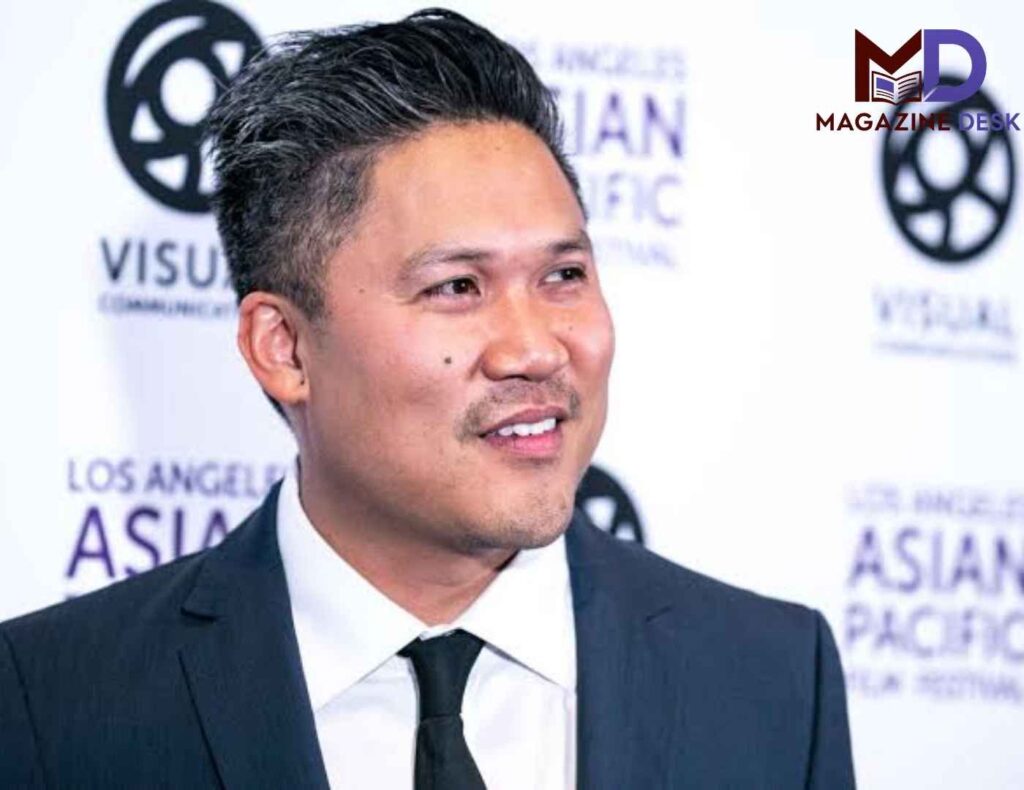
Dante Basco’s career is notable for its longevity and variety. From his early appearance in Hook to his voice performances in major animated series, he has worked across several generations of entertainment. His achievements include memorable roles, participation in independent filmmaking, and contributions to stories centred on Filipino American experiences.
His legacy is particularly visible in the continuing popularity of Zuko. The character is frequently discussed in conversations about compelling animated storytelling, especially because his development unfolds gradually rather than through a simple change from villain to hero. Basco’s performance helped make that transformation believable. His broader work also demonstrates that a successful acting career can involve many different forms of creativity. Rather than being defined by a single role alone, his professional identity reflects years of performance, collaboration, and interest in telling diverse stories.
Dante Basco Zuko: The Incredible Legacy of an Iconic Voice Actor
The story of Dante Basco Zuko continues to fascinate fans of Avatar: The Last Airbender because it combines outstanding voice acting with one of animation’s most powerful character transformations. Dante Basco Zuko became a memorable part of television history when Basco voiced Prince Zuko, the exiled Fire Nation prince whose journey revolves around identity, family expectations, and redemption. Through Dante Basco Zuko, audiences experience a character who begins his journey seeking to restore his honour but gradually learns to question his father’s teachings and make his own decisions. The popularity of Dante Basco Zuko reflects the emotional depth Basco brought to the animated series, especially during Zuko’s difficult conversations with Uncle Iroh and his eventual decision to help Aang.
Beyond Dante Basco Zuko, the actor is also famous for playing Rufio in Hook and voicing Jake Long in American Dragon: Jake Long. Nevertheless, Dante Basco Zuko remains a defining part of his career because the performance makes Zuko’s struggles feel authentic and relatable. For longtime viewers, Dante Basco Zuko represents a lasting connection to a beloved animated universe, while new fans continue discovering Dante Basco Zuko through streaming, fan discussions, and retrospectives. The enduring appeal of Dante Basco Zuko also highlights how voice actors shape animated storytelling, giving fictional characters distinctive personalities that stay with audiences for years.
Ultimately, Dante Basco Zuko is more than a popular search term: it represents the connection between a talented actor and a character whose journey continues to inspire conversations about growth, responsibility, and the courage to change.
Conclusion: Why Dante Basco Zuko Remains Unforgettable
Dante Basco’s portrayal of Prince Zuko helped create one of the most memorable characters in Avatar: The Last Airbender. Through a performance that balances anger, vulnerability, determination, and personal growth, Basco gave the exiled prince a recognisable voice and an emotional depth that continues to resonate with audiences.
Ultimately, the lasting appeal of Dante Basco Zuko comes from the combination of a compelling character and an expressive performance. Zuko’s journey encourages viewers to reconsider mistakes, question inherited expectations, and recognise the possibility of change. Basco’s contribution to that story remains an important part of his legacy as an actor and storyteller.
Frequently Asked Questions About Dante Basco and Zuko
Is Dante Basco the voice of Zuko in Avatar: The Last Airbender?
Yes. Dante Basco voices Prince Zuko in Nickelodeon’s animated series Avatar: The Last Airbender. His performance captures the character’s anger, insecurity, determination, and eventual personal growth.
How old is Dante Basco?
Dante Basco was born on August 29, 1975. He turned 51 in August 2026.
What other famous role did Dante Basco play?
Basco is also known for playing Rufio in Steven Spielberg’s 1991 film Hook and voicing Jake Long in Disney’s American Dragon: Jake Long.
Is Dante Basco Filipino American?
Yes. Dante Basco is Filipino American, and he has spoken about the importance of cultural representation in entertainment. His filmmaking work includes stories exploring Filipino American families and experiences.
Did Dante Basco voice a character in The Legend of Korra?
Yes. He voiced General Iroh II in The Legend of Korra. The character is a descendant of the Fire Nation’s royal family and is distinct from the original series’ Uncle Iroh.
Did Dante Basco direct The Fabulous Filipino Brothers?
Yes. Basco directed The Fabulous Filipino Brothers, a 2021 comedy-drama featuring members of his family. The film explores family relationships, romance, and Filipino American culture.
Why is Dante Basco’s Zuko so popular?
Zuko is popular because of his complex personality and gradual redemption arc. Basco’s expressive voice acting helps communicate the character’s inner conflict and makes his journey toward accountability and understanding especially compelling.
Don’t miss out—explore more stories and inspiring celebrity profiles only on Magazine Desk
