

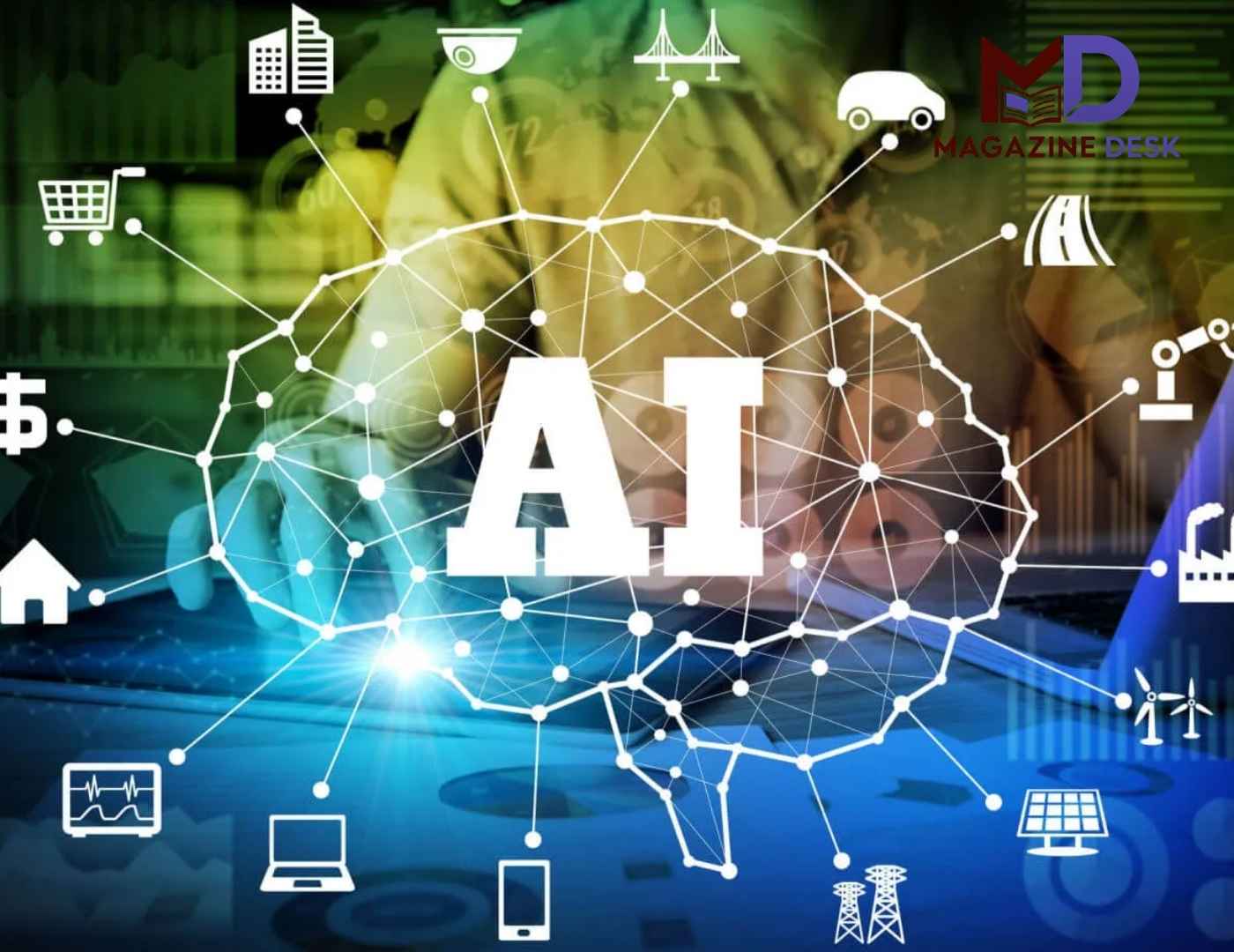
AI tecnology, more commonly spelled AI technology, has become one of the most transformative innovations of the modern era. From smartphones and virtual assistants to healthcare, finance, education, and transportation, artificial intelligence is reshaping how people live and work. What once existed only in science fiction has evolved into practical tools that improve productivity, automate repetitive tasks, and assist in solving complex problems. Businesses of all sizes are investing heavily in AI-powered solutions to remain competitive in a rapidly changing digital world. As AI continues to evolve, understanding its capabilities, benefits, and limitations has become essential for students, professionals, entrepreneurs, and everyday users. This guide explores every important aspect of AI tecnology in a clear, engaging, and informative way.
What Is AI Tecnology?
AI tecnology refers to the development of computer systems capable of performing tasks that typically require human intelligence. These tasks include learning from data, recognizing patterns, understanding language, making decisions, solving problems, and even generating creative content. Artificial intelligence combines computer science, mathematics, data analysis, and machine learning to create systems that improve their performance over time. Unlike traditional software that follows fixed instructions, AI models can adapt by analyzing large amounts of information. Today, AI powers recommendation systems, voice assistants, chatbots, image recognition tools, fraud detection systems, and autonomous technologies. As computing power continues to increase, AI technology is becoming more accurate, efficient, and accessible across nearly every industry.
The History and Evolution of AI Tecnology
The journey of AI tecnology began in the 1950s, when researchers first explored the possibility of creating machines capable of intelligent behavior. Early pioneers believed computers could eventually simulate aspects of human thinking, although technological limitations slowed progress for many years. Significant breakthroughs occurred during the late twentieth and early twenty-first centuries as computing power, internet connectivity, and data availability expanded dramatically. The rise of machine learning and deep learning accelerated AI development even further, allowing systems to recognize speech, interpret images, and generate human-like text. Today, artificial intelligence has moved beyond research laboratories into everyday life, supporting millions of people through smart applications, automation, and digital assistants.
How AI Tecnology Works
Understanding how AI tecnology works begins with recognizing that artificial intelligence learns from data rather than relying solely on predefined rules. AI systems collect large datasets, identify patterns, and use algorithms to improve predictions or decisions over time. Machine learning models are trained using examples, enabling them to recognize similarities and make increasingly accurate outcomes. More advanced approaches, such as deep learning, rely on neural networks inspired by the structure of the human brain. These networks process enormous volumes of information and continuously refine their performance through training. As a result, AI systems can translate languages, recognize faces, answer questions, generate images, and perform many other sophisticated tasks with remarkable speed and accuracy.
Key Components of AI Tecnology
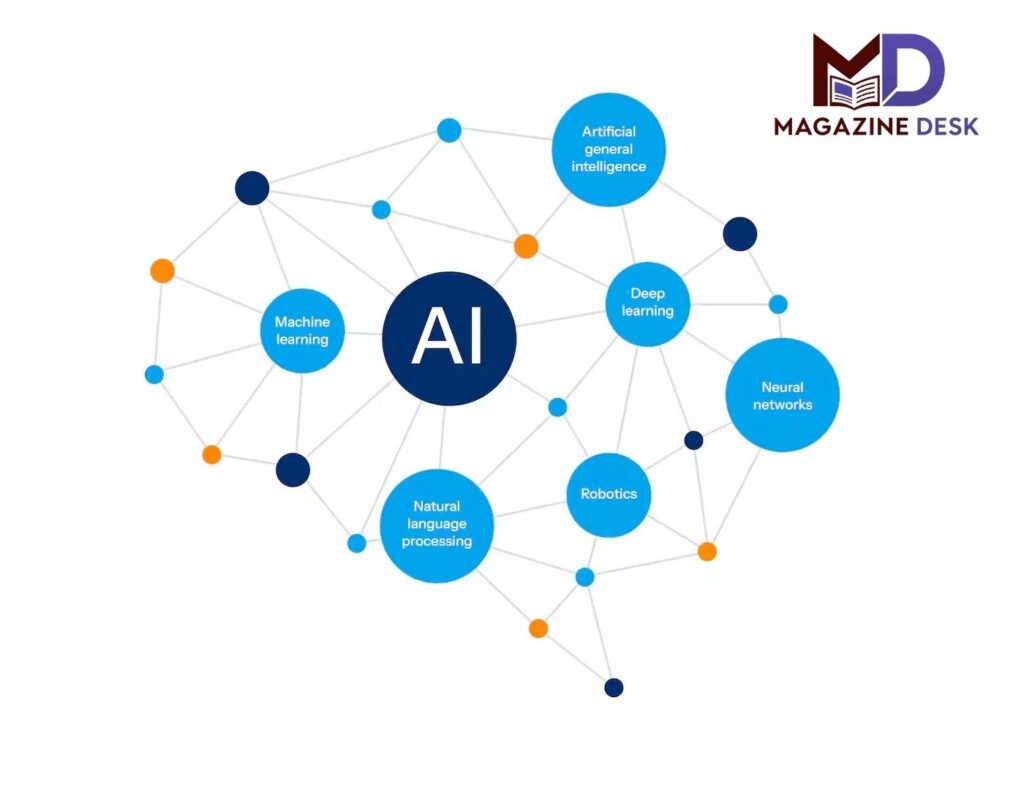
Several important technologies work together to make AI tecnology possible. Machine learning enables computers to learn from data without explicit programming for every task. Deep learning uses layered neural networks to solve highly complex problems such as image recognition and speech processing. Natural Language Processing (NLP) allows AI systems to understand, interpret, and generate human language, making chatbots and virtual assistants more conversational. Computer vision helps machines analyze photographs and videos, while robotics combines AI with physical machines capable of interacting with the real world. Data, powerful computing hardware, cloud infrastructure, and sophisticated algorithms form the foundation that supports these advanced artificial intelligence systems across numerous industries.
Types of AI Tecnology
Experts generally classify AI tecnology into several categories based on capability and functionality. Narrow AI, also known as Weak AI, is designed to perform specific tasks such as voice recognition, online recommendations, or fraud detection. It represents nearly all AI applications currently used in everyday life. General AI, sometimes called Strong AI, refers to a theoretical system capable of performing any intellectual task that a human can accomplish, though it has not yet been achieved. Researchers also discuss Super AI, a hypothetical future stage where artificial intelligence surpasses human intelligence in virtually every field. While General AI and Super AI remain concepts under active research, Narrow AI continues to drive practical innovation worldwide.
Machine Learning and Deep Learning in AI Tecnology
At the heart of modern AI tecnology are machine learning and deep learning, two closely related fields that enable computers to improve through experience. Machine learning uses algorithms that analyze data, identify patterns, and make predictions without requiring programmers to write instructions for every possible situation. Deep learning takes this concept further by using artificial neural networks with multiple layers to process enormous amounts of information. These advanced models excel at speech recognition, language translation, image classification, and content generation. Thanks to continuous improvements in computing power and data availability, machine learning and deep learning have become the driving forces behind today’s most advanced artificial intelligence applications.
Natural Language Processing in AI Tecnology
One of the most exciting branches of AI tecnology is Natural Language Processing (NLP), which enables computers to understand, interpret, and generate human language. NLP combines linguistics, machine learning, and statistical modeling to help AI communicate naturally with users. Modern applications include virtual assistants, customer support chatbots, language translation services, text summarization, grammar correction, and intelligent search engines. As AI language models continue to improve, conversations between humans and machines have become increasingly accurate and context-aware. Businesses rely on NLP to automate customer service, analyze feedback, and improve communication, making it one of the fastest-growing areas of artificial intelligence.
Real-World Applications of AI Tecnology
The influence of AI tecnology extends across nearly every industry, transforming how organizations operate and deliver services. In healthcare, AI assists doctors by analyzing medical images, supporting diagnoses, and accelerating drug research. Financial institutions use AI to detect fraud, assess financial risks, and personalize banking experiences. Retail businesses improve customer satisfaction through recommendation systems and inventory forecasting. Manufacturing companies automate quality inspections and predictive maintenance using AI-powered systems. Education platforms personalize learning experiences, while transportation companies develop intelligent navigation and driver-assistance technologies. These practical applications demonstrate that AI is no longer an emerging concept but an essential tool that enhances efficiency, accuracy, and decision-making across diverse sectors.
Benefits of AI Tecnology
The rapid growth of AI tecnology is driven by the significant advantages it offers individuals, businesses, and governments. AI increases productivity by automating repetitive tasks, allowing employees to focus on strategic and creative work. It analyzes vast amounts of data within seconds, enabling faster and more informed decision-making. Artificial intelligence also improves accuracy by reducing human error in many routine processes. Organizations benefit from lower operational costs, enhanced customer experiences, and better resource management. In healthcare, AI contributes to earlier disease detection, while in agriculture it supports precision farming techniques. These wide-ranging benefits explain why AI adoption continues to accelerate across industries around the world.
Challenges and Limitations of AI Tecnology
Despite its remarkable capabilities, AI tecnology also presents several important challenges. One major concern involves the quality of training data, as biased or incomplete datasets can produce inaccurate or unfair outcomes. Privacy and cybersecurity are additional issues because AI systems often rely on large volumes of personal information. The increasing automation of routine tasks has also raised concerns about workforce displacement and the need for employees to develop new skills. Furthermore, many advanced AI models operate as “black boxes,” making it difficult to explain how specific decisions are reached. Addressing these limitations requires responsible development, transparent practices, and ongoing collaboration among researchers, businesses, and policymakers.
AI Tecnology in Everyday Life
Many people use AI tecnology every day without even realizing it. Smartphones rely on AI for voice assistants, facial recognition, camera enhancements, predictive text, and spam filtering. Streaming platforms recommend movies and television shows based on viewing history, while online shopping websites suggest products tailored to individual preferences. Navigation apps calculate the fastest routes by analyzing real-time traffic conditions, and email services automatically detect spam messages. Social media platforms personalize content feeds using artificial intelligence algorithms. Even smart home devices, wearable fitness trackers, and online customer support systems depend on AI to provide more personalized, efficient, and convenient experiences. These everyday examples demonstrate how deeply artificial intelligence has become integrated into modern life.
AI Tecnology in Healthcare
One of the most impactful uses of AI tecnology is in the healthcare sector, where artificial intelligence is improving patient care, medical research, and hospital operations. AI-powered systems assist healthcare professionals by analyzing medical images, identifying potential diseases, and supporting faster diagnoses. Predictive analytics help doctors assess health risks before conditions become severe, enabling earlier interventions and better treatment outcomes. AI also accelerates drug discovery by processing enormous datasets in a fraction of the time required by traditional research methods. In addition, virtual health assistants, remote patient monitoring, and personalized treatment recommendations are making healthcare services more efficient, accessible, and patient-centered across many parts of the world.
AI Tecnology in Business and Finance
Businesses worldwide have embraced AI tecnology to improve productivity, reduce operational costs, and deliver better customer experiences. Financial institutions use AI algorithms to detect fraudulent transactions, assess credit risks, and automate routine banking processes. Companies employ AI-powered analytics to understand customer behavior, forecast market trends, and optimize supply chains. Marketing teams benefit from personalized advertising, intelligent customer segmentation, and automated content recommendations. Customer service departments rely on AI chatbots and virtual assistants to answer common questions around the clock. As organizations continue their digital transformation, artificial intelligence has become an essential competitive advantage that enables faster decision-making and more efficient business operations.
AI Tecnology in Education
The education sector has experienced significant innovation through AI tecnology, making learning more personalized and engaging for students. AI-powered educational platforms analyze learning patterns and adapt lessons according to each student’s strengths and weaknesses. Teachers can use AI tools to automate grading, track student progress, and identify learners who may require additional support. Virtual tutors provide instant explanations and practice exercises, helping students study at their own pace. Educational institutions also use artificial intelligence to improve administrative efficiency, manage schedules, and enhance online learning experiences. By supporting both educators and students, AI is helping create more flexible, inclusive, and effective educational environments.
Ethical Issues Surrounding AI Tecnology
As AI tecnology becomes increasingly powerful, ethical considerations have become more important than ever. Developers and organizations must ensure that AI systems are fair, transparent, and accountable. Bias in training data can result in unfair decisions that affect hiring, lending, healthcare, and other critical areas. Privacy concerns also arise because many AI applications process large amounts of personal information. Another challenge involves misinformation, including AI-generated text, images, and videos that may be used deceptively. Governments, technology companies, researchers, and educational institutions are working together to establish ethical guidelines and responsible AI governance. Building public trust requires continuous attention to fairness, transparency, and human oversight.
The Future of AI Tecnology
The future of AI tecnology promises even greater innovation as research continues to advance rapidly. Artificial intelligence is expected to become more capable of understanding complex instructions, solving scientific problems, and assisting professionals across numerous industries. Emerging trends include AI-powered robotics, autonomous transportation, smart cities, precision medicine, advanced cybersecurity, and climate research. Businesses are increasingly integrating generative AI into daily workflows to improve productivity and creativity. At the same time, governments and industry leaders are developing regulations to encourage responsible innovation while minimizing potential risks. The coming years will likely see AI become even more deeply integrated into everyday life, transforming the global economy and society.
How to Prepare for an AI-Driven Future
Preparing for the rise of AI tecnology requires individuals and organizations to embrace lifelong learning and digital skills. Professionals should focus on developing abilities that complement artificial intelligence, including creativity, critical thinking, communication, emotional intelligence, and complex problem-solving. Learning about AI fundamentals, data literacy, and responsible technology use can help people remain competitive in evolving job markets. Businesses should invest in employee training while implementing AI solutions ethically and transparently. Educational institutions also play an important role by teaching students how to collaborate effectively with AI tools rather than viewing them solely as replacements for human work. Those who adapt to technological change will be well positioned to benefit from future opportunities created by artificial intelligence.
Conclusion
AI tecnology has evolved from a visionary concept into one of the most influential technologies of the twenty-first century. It is transforming industries, improving productivity, enhancing decision-making, and creating innovative solutions for complex global challenges. From healthcare and finance to education, manufacturing, transportation, and entertainment, artificial intelligence continues to reshape the way people live and work. While AI offers remarkable opportunities, it also requires responsible development, ethical governance, and ongoing human oversight to ensure its benefits are shared fairly and safely. As research progresses, AI is expected to become even more intelligent, accessible, and deeply integrated into everyday life. Individuals, businesses, and governments that invest in AI knowledge, digital skills, and responsible innovation will be better prepared for the future. Understanding AI tecnology today is not just an advantage—it is becoming an essential part of succeeding in an increasingly digital world.
Frequently Asked Questions (FAQs)
What is AI tecnology?
AI tecnology, also known as AI technology or artificial intelligence, refers to computer systems designed to perform tasks that typically require human intelligence. These tasks include learning from data, recognizing patterns, understanding language, solving problems, and making decisions.
What are the main types of AI tecnology?
The three commonly discussed types of AI tecnology are Narrow AI (Weak AI), General AI (Strong AI), and Super AI. At present, nearly all real-world AI applications belong to the Narrow AI category, while the other two remain theoretical concepts under research.
How is AI tecnology used in everyday life?
People interact with AI tecnology daily through voice assistants, recommendation systems, online shopping, navigation apps, facial recognition, spam filters, smart home devices, streaming platforms, language translation tools, and customer service chatbots.
What are the benefits of AI tecnology?
The major benefits of AI tecnology include increased productivity, improved accuracy, faster data analysis, automation of repetitive tasks, better customer experiences, enhanced healthcare services, smarter business decisions, and cost savings across multiple industries.
What are the biggest challenges of AI tecnology?
Some of the biggest challenges include data privacy concerns, algorithmic bias, cybersecurity risks, misinformation, lack of transparency in certain AI models, and the potential impact of automation on employment. Responsible AI development helps address these issues.
Will AI tecnology replace human jobs?
AI tecnology will automate some routine and repetitive tasks, but it is also expected to create new career opportunities. Many future jobs will require people to work alongside AI systems, emphasizing creativity, critical thinking, communication, and problem-solving skills.
What is the future of AI tecnology?
The future of AI tecnology includes advancements in robotics, healthcare, scientific research, education, autonomous transportation, cybersecurity, smart cities, and generative AI. As the technology continues to evolve, responsible innovation and ethical governance will remain essential for maximizing its positive impact.
